
Racking floors are one of the most important solutions for optimizing storage space in modern warehouses. With the development of e-commerce and logistics, the need for efficient storage systems is increasing. Choosing the right type of racking flooring not only helps save costs but also improves work productivity and safety for workers.
Efficiency is the key factor in any business. Companies are constantly looking for ways to optimize their processes and maximize productivity. One area where efficiency can be significantly improved is the storage and organization of goods and materials. This is where the floor in the racking system comes into play.
Purpose of flooring in racking system
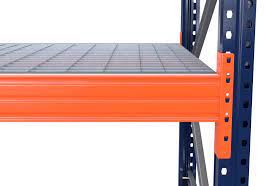
Decking refers to horizontal surfaces or platforms installed on the beams of a racking system. These surfaces provide support and stability to stored goods. Floors can be made of a variety of materials such as wood, wire mesh or metal. The choice of flooring material depends on the specific requirements of the items being stored.
The main purpose of the floor is to create additional storage space within the shelving system. By utilizing vertical space, businesses can make the most of their available square footage. This is especially beneficial in warehouses and distribution centers where space is often limited.
Flooring also plays an important role in ensuring the safety of stored goods. It prevents items from falling through the gaps between the beams and creates a flat surface for stable stacking. This reduces the risk of damage to goods and minimizes the risk of accidents or injuries in the workplace.
Benefits of flooring in racking systems
1. Increase storage capacity
One of the main advantages of the floor is the ability to maximize storage capacity. By adding additional levels to a shelving system, businesses can store more goods without needing additional floor space. This is especially important for companies that have to handle large amounts of inventory.
2. Improve accessibility
Decking makes it easier to access stored items. With multiple levels, goods can be arranged in a way that allows for efficient picking and replenishment. This reduces the time and effort required to locate specific products, resulting in faster order fulfillment and improved customer satisfaction.
3. Advanced organization
By using flooring, businesses can create a systematic and organized storage system. Different levels can be assigned to specific product categories or SKU types, making it easier to locate and retrieve items when needed. This not only saves time but also reduces the risk of errors and improves inventory management.
4. Flexibility and adaptability
Floors in rack systems offer flexibility and adaptability to meet changing business needs. Levels can be adjusted or reconfigured as required, allowing easy customization based on the size and shape of the items being stored. This ensures that the racking system can accommodate different product sizes and maximize space utilization.
5. Cost savings
Investing in a floor for your racking system can save you money in the long run. By optimizing storage space, businesses can avoid the need to add additional storage facilities or expand warehouses. This reduces overall costs and improves overall operating efficiency.
6. Safety and protection
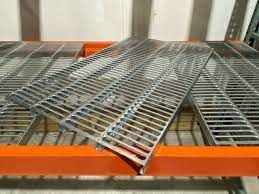
The floor provides a safe and stable surface for storing goods. It prevents items from falling through or being damaged due to uneven surfaces. This not only protects inventory but also ensures the safety of personnel working in the vicinity of the racking system. Additionally, floors can be equipped with safety features such as railings and non-slip surfaces for added protection.
7. Easy to install and maintain
Flooring is relatively easy to install and maintain. It can be quickly integrated into existing racking systems without much modification. Regular inspection and cleaning can help ensure optimal floor life and performance, minimizing downtime and maintenance costs.
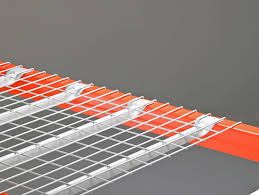
In short, flooring plays a vital role in maximizing efficiency in a racking system. It creates additional storage space, improves accessibility and organization, provides flexibility and increases safety. By investing in flooring, businesses can optimize storage capacity, streamline operations, and ultimately achieve higher levels of productivity and profitability.
- Increase storage capacity
- Improved accessibility
- Advanced Organization
- Cost savings
- Safety and protection
**FAQs:**
1. What are the most common materials made of rack flooring?
Rack floors are usually made from wire mesh, wood, or sturdy metal to ensure stability and safety for stored goods.
2. Is it necessary to modify the existing structure of the warehouse to install the rack floor?
Not necessarily. The racking floor is designed to easily integrate into existing racking systems without major structural modifications.
3. Does rack floor installation affect uptime?
Racking floors can be installed quickly and easily, minimizing downtime and without affecting the normal operating performance of the warehouse.
4. How to maintain the rack floor?
Rack floor maintenance includes periodically inspecting surfaces for signs of wear, ensuring they are clean and dry to avoid damage.
5. Why can investing in racking flooring help save costs?
Investing in racking helps optimize storage space, reducing the need to expand or rent additional space, thereby reducing overall operating costs and increasing business profits.
Hashtag: #PalletRacking #WarehouseOptimization #IncreaseStorageCapacity #SafeStorage #CostSaving
Discover the solution to optimize your storage space today with shelving. Contact us for more information!


