
Inventory management, inventory optimization, and inventory control are key factors for businesses to operate effectively. In today’s fierce competition, warehouse management not only affects operating costs but also directly determines customer satisfaction. A good inventory management system helps minimize waste, avoid crowding or shortage of goods, thereby improving business performance and creating a competitive advantage for the company.
Inventory management, inventory optimization, inventory control
In the modern business landscape, tight inventory management is not only an important part of the supply chain but also plays a pivotal role in improving operational efficiency and minimizing risk. So why is it necessary to manage inventory closely? This article will clarify the important role of inventory control, the benefits it brings and how to do it effectively, including using shelving for inventory management.
1. What is Inventory Management?
Inventory management is the process of monitoring and controlling inventory levels, ensuring that necessary items are always available to meet production and business needs without leading to shortages or surpluses. This includes tracking inventory, ordering replenishment, managing inventory, and distributing goods properly. Using shelves in this process helps optimize inventory and improve control efficiency.

2. Benefits of Tight Inventory Management
a. Cost Reduction
One of the most obvious benefits of tight inventory management is the ability to reduce costs. By controlling inventory effectively, businesses can avoid unnecessary costs from storing too much stock or facing high costs from stock shortages. Maintaining appropriate inventory levels helps optimize storage costs and minimize damaged or obsolete goods. Using shelves helps businesses easily classify and arrange goods, minimize wasted space and optimize storage.
b. Increase Operational Efficiency
Inventory optimization helps businesses improve operational efficiency. When inventory is well managed, businesses can ensure that products are always available to meet customer needs quickly and efficiently. This not only helps maintain good relationships with customers but also helps businesses quickly respond to market fluctuations. Shelves help businesses easily access and check goods, minimizing time spent searching and processing orders.
c. Improve Forecasting and Planning
Tight inventory management helps businesses improve their forecasting and planning capabilities. By using modern inventory management tools and software, businesses can analyze historical data, consumption trends, and customer demand to make accurate forecasts. This helps businesses plan production and purchases effectively, minimizing the risk of stocking too much or too little goods. Shelves help store and manage goods more systematically, making inventory and analysis easier.
3. Effective Inventory Management Measures
a. Using Inventory Management Software
Using inventory management software is one of the most effective ways to control inventory. These software provide functions such as tracking inventory quantities, alerting when goods are running low, managing orders, and generating detailed reports on inventory status. This helps businesses easily monitor and control inventory accurately and quickly. Combined with the use of shelves, businesses can arrange goods scientifically and systematically.

b. Applying Demand Forecasting Methods
The application of demand forecasting methods is also an important factor in optimizing inventory. Businesses need to analyze historical data, market trends, and other influencing factors to predict customer needs. This helps businesses plan purchases and production accurately, avoiding shortages or surpluses of goods. Using shelves helps classify and store goods by category, easily controlling the quantity and type of inventory.
c. Using Shelves to Manage Inventory
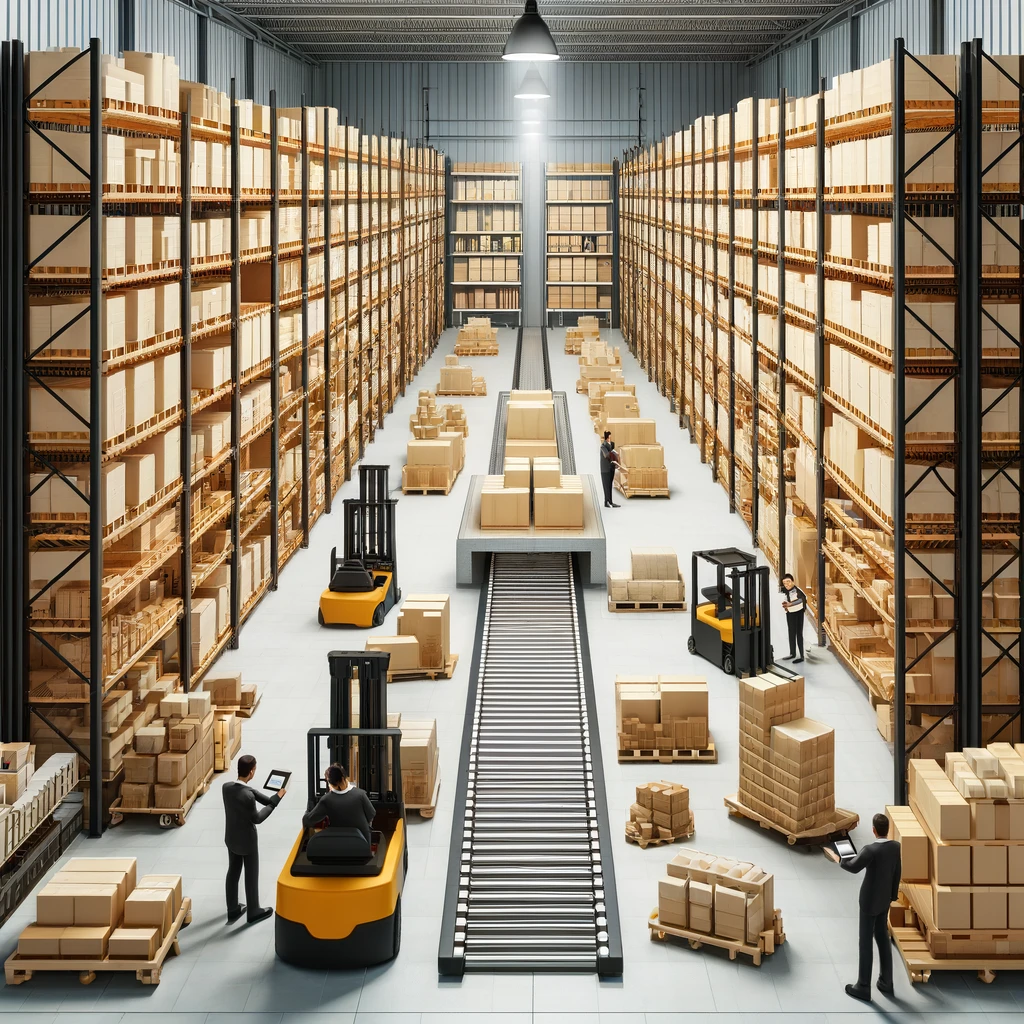
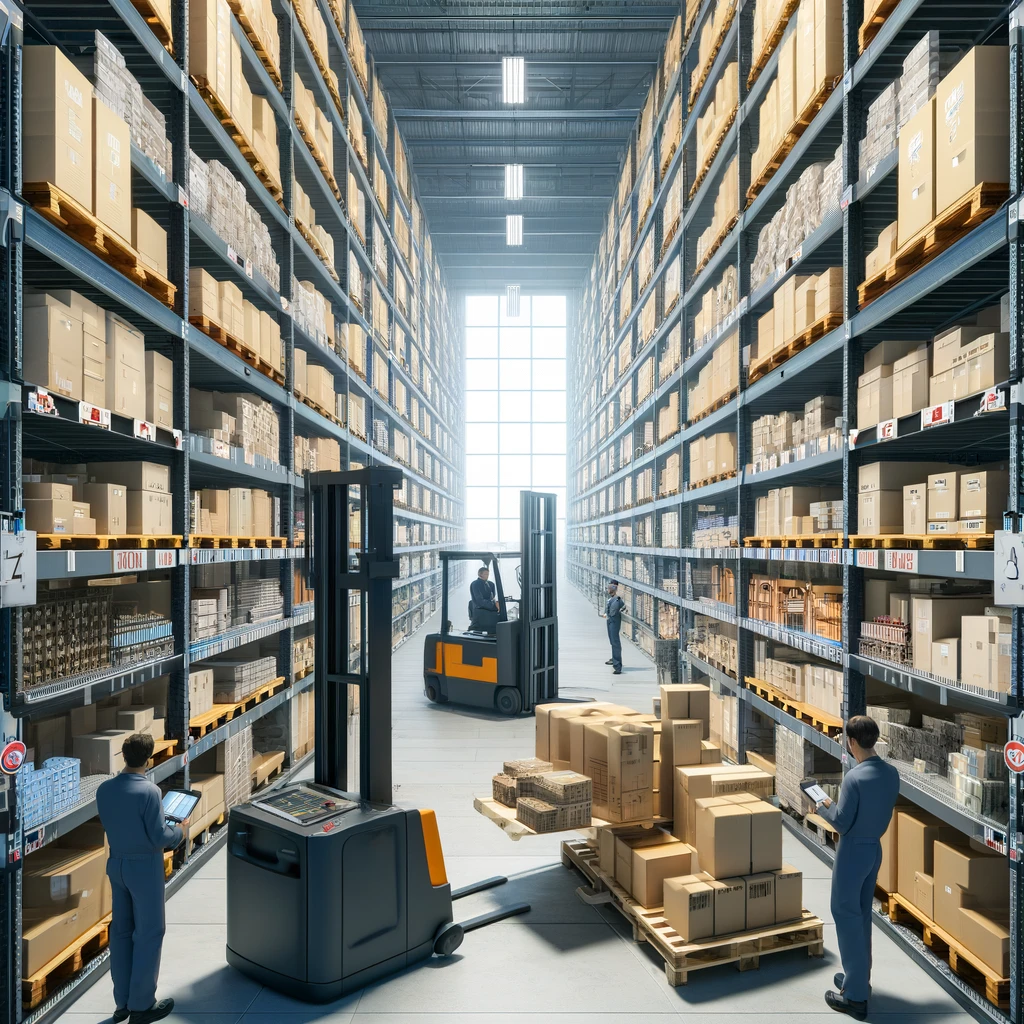
Using shelves to manage inventory is an important measure to help businesses optimize inventory. Shelves help maximize storage space, allowing businesses to arrange goods systematically and easily accessible. Using shelves also helps to reduce clutter in the warehouse, facilitating inventory and tracking of goods. This not only helps businesses control inventory more effectively, but also minimizes storage costs and enhances safety in the warehouse.
d. Optimal Supply Chain Management
Optimizing supply chain management helps businesses minimize time and costs associated with transporting and storing goods. This includes selecting reliable suppliers, optimizing shipping processes and managing warehouses efficiently. By improving the supply chain, businesses can ensure that goods are always available to meet customer needs quickly and efficiently. Shelves help arrange goods in batches, in order of receipt, making inventory management easier.
4. Challenges in Inventory Management
Although inventory management offers many benefits, there are also many challenges that businesses need to face. One of the biggest challenges is maintaining appropriate inventory levels in a volatile market environment. Changes in customer demand, the emergence of new products, and price fluctuations are factors that can affect inventory management.
Using shelves helps businesses easily adjust inventory levels without spending too much money on expanding or shrinking warehouses.
In addition, applying inventory management technology and software also requires businesses to invest in finance and resources. Businesses need to ensure that employees are fully trained to use these tools effectively.

Frequently Asked Questions
1. What is warehouse management and why is it important?
Warehouse management is the process of monitoring and controlling inventory levels to ensure that necessary items are always available to meet production and business needs without leading to shortages or surpluses. It is important because it helps businesses optimize costs, maintain operational efficiency and minimize risks.
2. What are the benefits of using shelves in warehouse management?
Using shelves helps optimize storage space, classify and arrange goods systematically, and make inventory and tracking easy. This helps businesses control inventory more effectively, reduce storage costs and increase warehouse safety.
3. What measures help optimize warehouse management?
To optimize warehouse management, businesses can use warehouse management software to track inventory, apply demand forecasting methods to accurately plan purchases and production, and use shelves to efficiently organize and manage inventory.
4. What is the biggest challenge in warehouse management?
The biggest challenge in warehouse management is maintaining appropriate inventory levels in a volatile market environment. This includes changes in customer demand, the emergence of new products and price fluctuations. Using modern shelving and technology can help businesses overcome these challenges.
5. How does tight warehouse management help businesses compete in the market?
Tight warehouse management helps businesses improve operational efficiency, minimize costs and risks, and ensure that goods are always ready to meet customer needs quickly and efficiently. This helps businesses maintain good relationships with customers, enhance forecasting and planning capabilities, and thereby increase competitiveness in the market.


